ServicesGutter Covers
Gutter Covers in St. Stephen
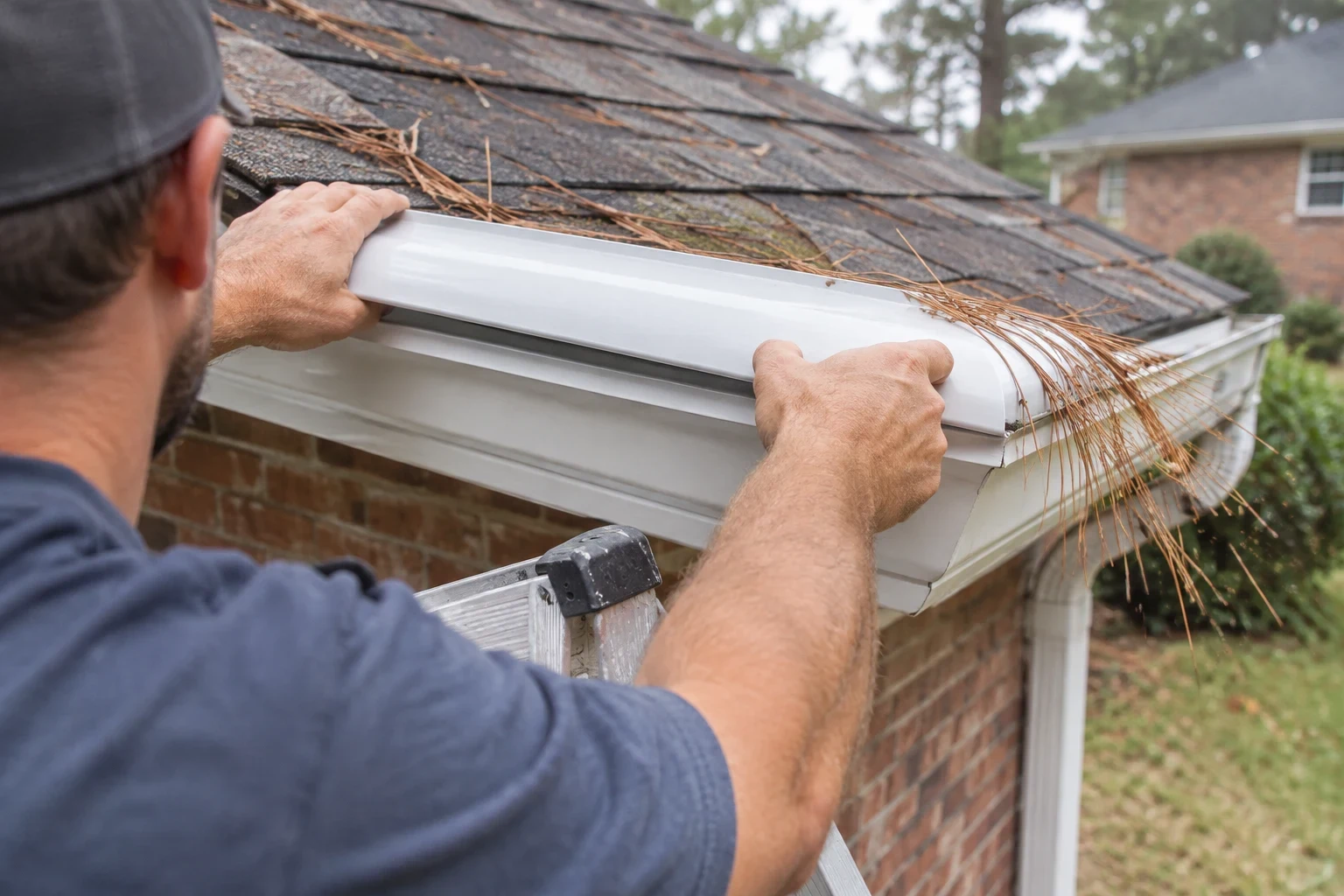
We fit solid covers over your existing gutters so rain still gets in while leaves, pine needles and twigs mostly slide off. Once real storms have tested them, we come back to check the work and show you the small bit of care they need.
What gutter covers do, and when they are the right call
A gutter cover is a solid hood or panel that sits over the top of the gutter. Rain follows the rounded front edge and curls down into the trough, while most debris rides over the edge and drops to the ground. That is different from the mesh and screen products on our Gutter Guards page, which let water pass through small openings.
Covers make the most sense for your home when screens keep matting over. Pine needles, oak tassels and seed pods are the usual culprits around St. Stephen, and they tend to lie flat on a screen instead of washing away. A solid cover gives them nothing to catch on.
Covers are not a fix for gutters that sag, leak at the seams or hold water because the pitch is off. If we find that, we will tell you plainly and point you to gutter repair or a new gutter installation first, so the covers sit on something worth protecting.
What your gutter cover job includes
- 01
A close look at the gutters first
Before anything goes on, we check the hangers, seams, pitch and the fascia board behind the gutter. A cover adds a little weight and hides the trough from view, so we want to know it is sound underneath.
- 02
Covers matched to your roof
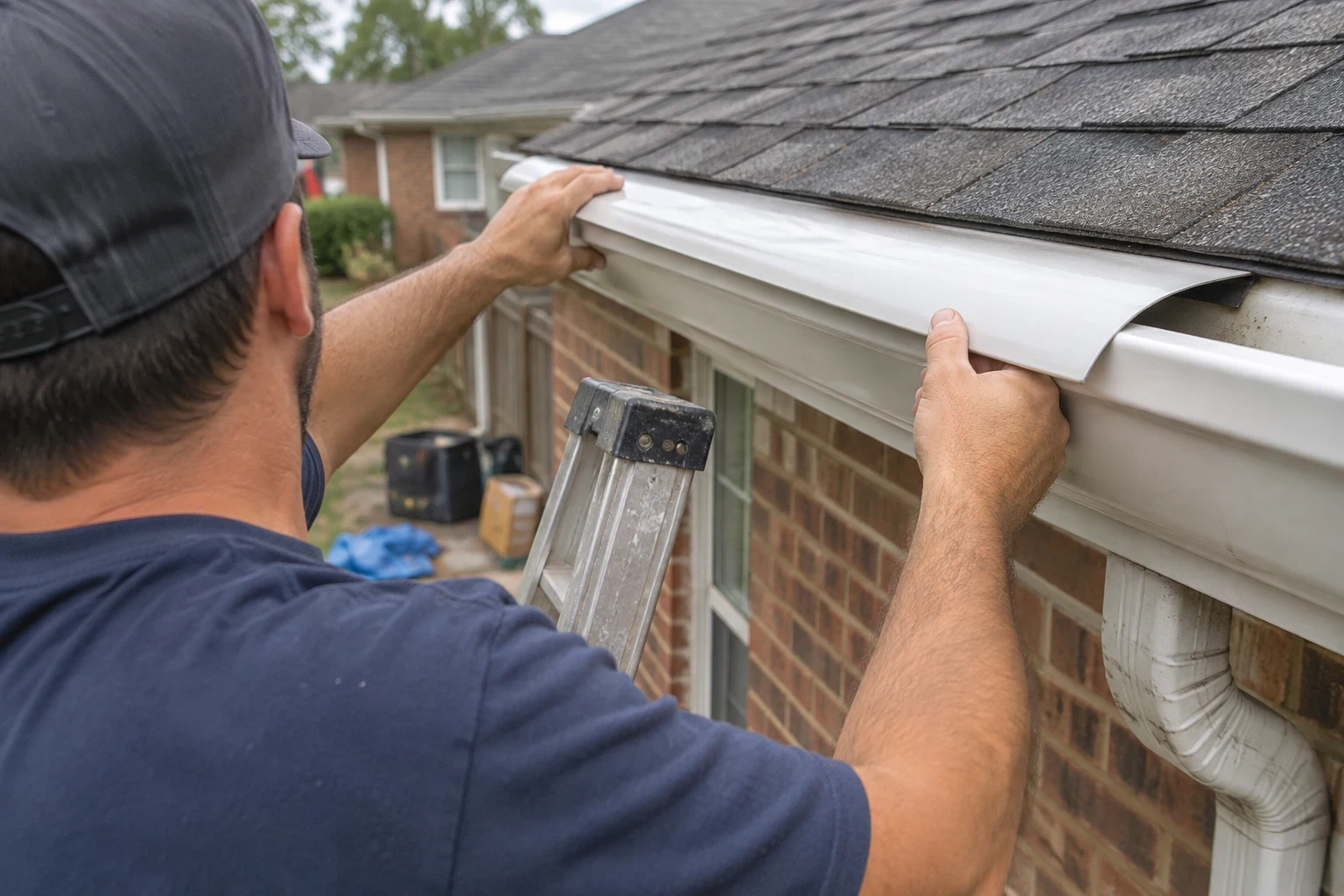
Roof pitch, shingle type and gutter profile all change how a cover should sit. We choose and set the cover so water follows the front edge into the gutter instead of shooting past it, and we avoid prying up shingles wherever the system allows.
- 03
Emptying the trough before we cover it
We clear out what is already sitting in the gutter so old leaves and grit are not sealed in under the new covers.
- 04
Fastening that holds in wind
Each section is secured at regular intervals and at the corners. Summer thunderstorms and tropical gusts can lift loose panels, so we fasten for the weather your home actually sees.
- 05
Cleanup and a walkthrough
We pick up offcuts, screws and debris from your beds and lawn. Then we walk the house with you, point out where each section ends and explain what to keep an eye on.
- 06
A return visit after real rain
Once a few heavy storms have come through, we check back. We look at corners and valleys where water moves fastest and adjust anything that is not performing the way it should.
Questions about Gutter Covers?
Call(843) 977-8324Signs your home could use gutter covers
Screens that keep matting over
If you already have screens and they stay blanketed with needles, water ends up sheeting over the top. A solid cover sheds that layer instead of holding it.
Overflow even when they were just cleared
Water spilling over the front edge a few weeks past the last time the gutters were emptied usually means debris is building back fast. Covers slow that buildup a great deal.
Too many trips up the ladder
Climbing up several times a year is tiring and risky, especially on a two-story home. Covers cut down how often anyone needs to be up there.
Seedlings and standing water
Little plants sprouting along the roofline or water sitting in the trough for days means organic matter has settled in. That standing water also draws mosquitoes in warm months.
Streaks on the fascia or siding
Dark stains below the gutter line are a sign water is regularly running over the edge. Left alone, that can soften fascia boards and wear on the paint.
How a gutter cover job runs
- 1
Start with a phone call
You tell us what is going on with your gutters and the trees around your home. We set a time to come look, and the consultation is free.
- 2
An honest recommendation
Once we have checked the gutters and roofline, we explain whether covers fit your situation, which style suits it and what the job involves. If your gutters need work first, you hear that up front.
- 3
Install day
We protect plantings below the work area, empty the gutters and fit the covers section by section. Before we pack up, we run water across the roof to confirm it lands in the gutter and not over it.
- 4
Care notes before we leave
We show you how to spot fine grit collecting near the front edge and what an occasional check looks like. You will know what normal looks like and when to give us a ring.
- 5
We check back
After the first stretch of heavy rain, we follow up and inspect the trouble spots. Small adjustments now keep the covers working for years.
What affects the cost of gutter covers
Every home is different, so we price once we have seen your gutters and roofline. You get a written estimate that shows what is included before any work starts. These are the things that move the number most.
- Total gutter length
- Covers are fitted along every run, so a longer roofline means more material and more time.
- Height and access
- A single-story ranch goes faster than a two-story home with steep slopes, porches or tight side yards that limit where a ladder can stand.
- Corners, valleys and roof shape
- Each inside and outside corner needs careful cutting and sealing. Roof valleys that dump heavy water into one spot may need extra attention so the cover keeps up.
- Condition of the existing gutters
- If hangers need tightening or a seam needs resealing before the covers go on, that work is added to the estimate and explained line by line.
- Cover style and material
- Different cover profiles and finishes carry different costs. We will walk you through the options that suit your roof and trees, not the priciest one on the list.
Gutter cover questions we hear most
Will covers keep everything out of my gutters?
No cover stops every speck. Pollen, roof grit and very small seeds can still work their way in over time. What covers do is stop the bulk of leaves and needles, so buildup is slow and easy to deal with. We show you how to check for it on our walkthrough.
How are gutter covers different from gutter guards?
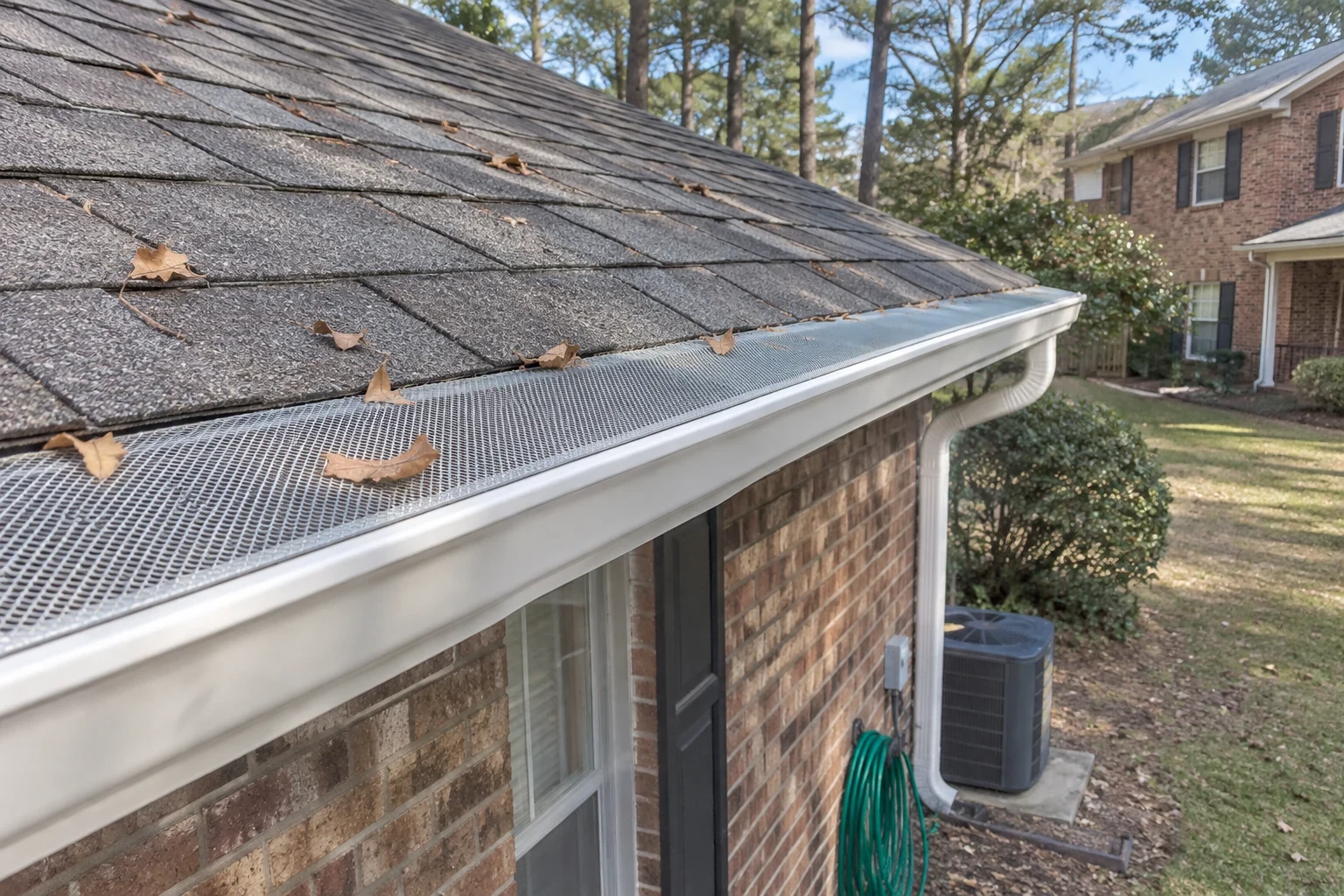
Covers are solid and rely on water following the front edge into the gutter. Guards are screens or mesh that filter water through openings. Covers usually handle pine needles better, while some guards suit homes with lighter debris. We can explain both and help you pick.
Can they handle a hard summer downpour?
In most storms, yes. The weak spots are corners and valleys, where a lot of water arrives at once and can overshoot. We pay close attention to those areas during the install and check them again on our follow-up visit after heavy rain.
Can covers go on the gutters I already have?
Usually, as long as the gutters are solid, pitched correctly and firmly attached. If they are sagging or leaking, covering them only hides the problem. We will tell you if gutter repair or replacement makes more sense first.
Will installing covers damage my roof?
We set covers so they work with your shingles, not against them, and we avoid lifting shingles wherever the cover style allows. Before we leave, we walk the job with you and show you exactly how everything sits.
Talk through gutter covers for your home
Tell us about your trees and what your gutters have been doing. We will come take a look, give you a straight answer and check back once the job is done.